Lecture on History and Cultural Highlights of Vršac
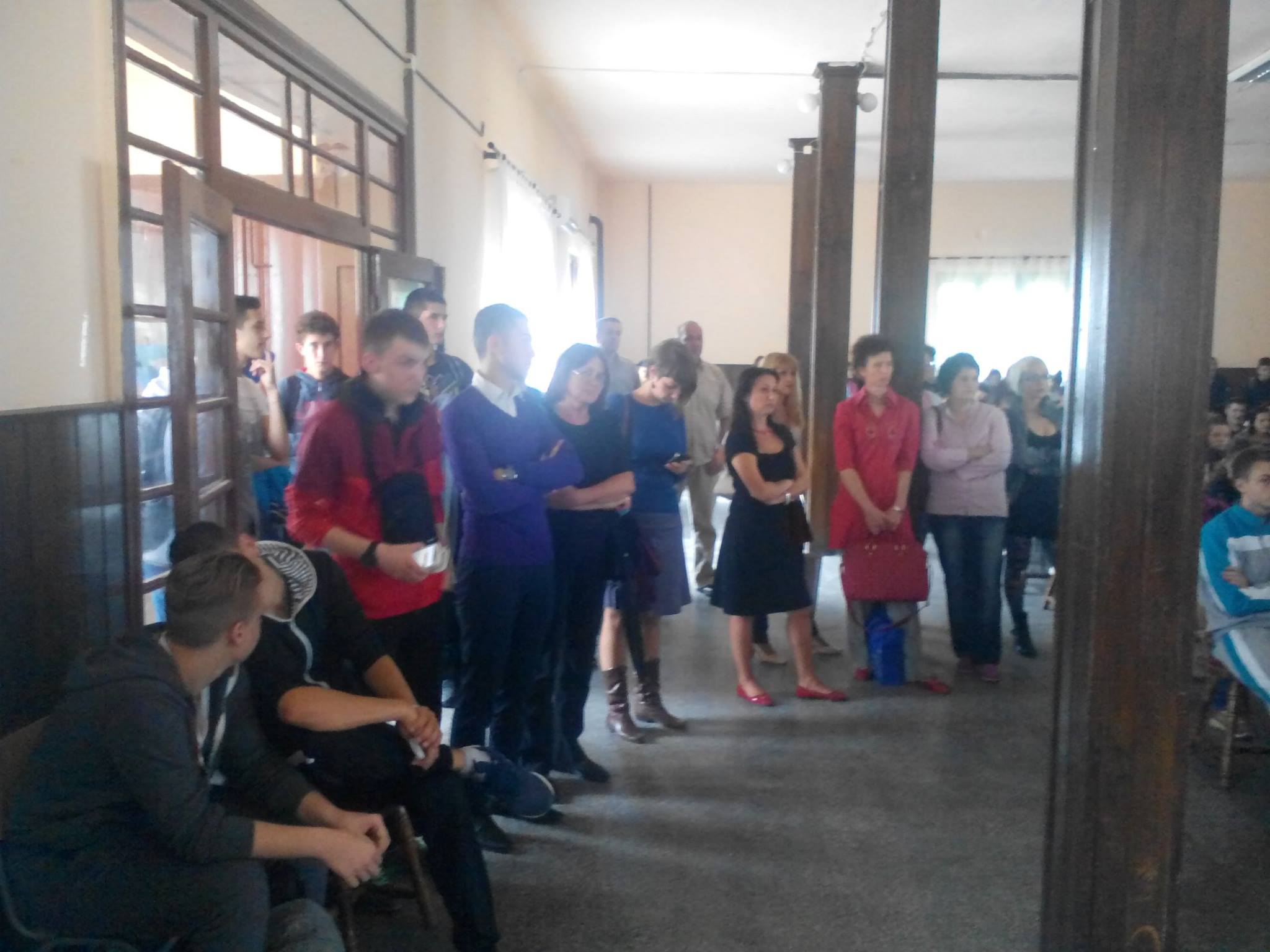
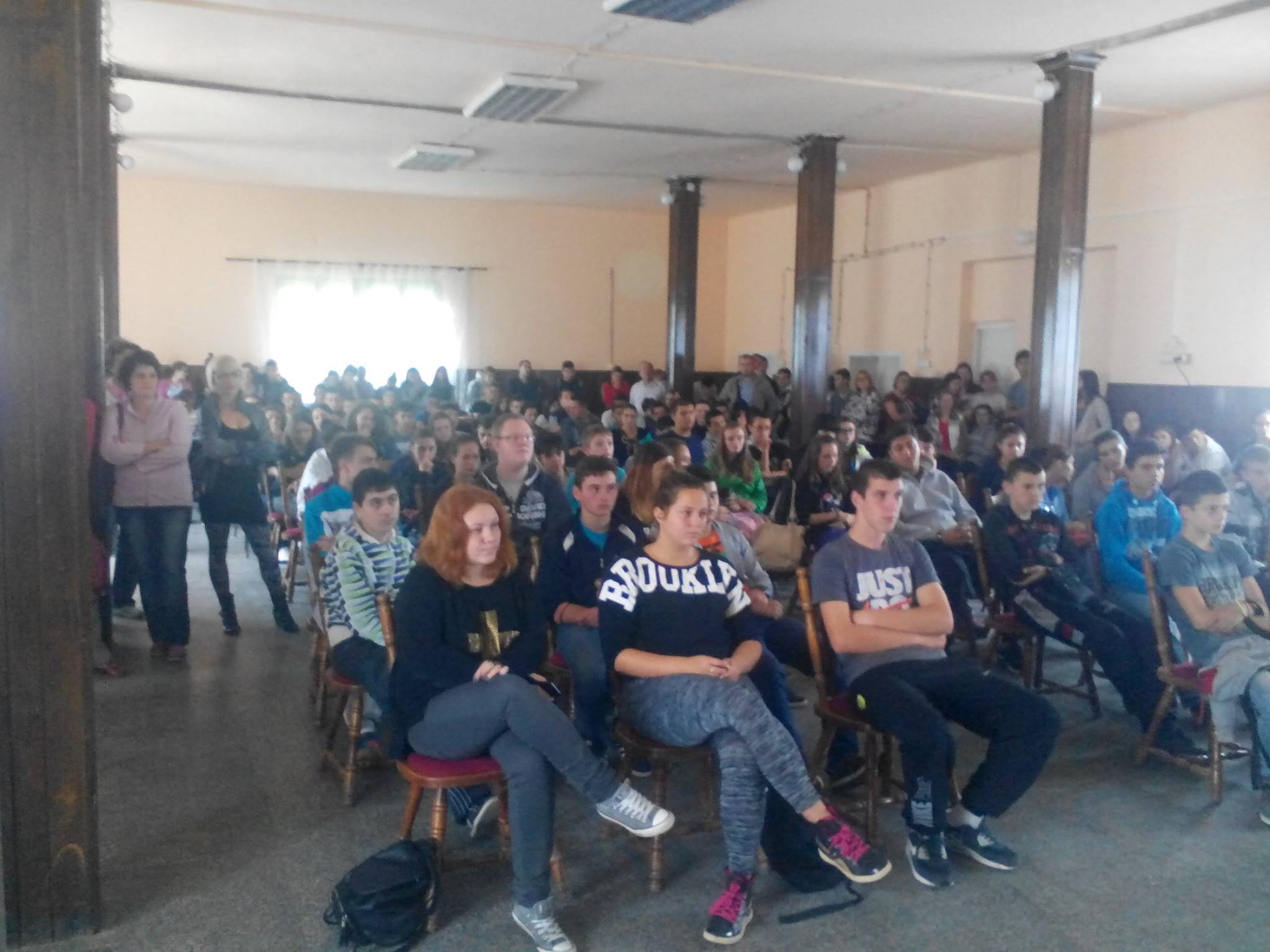
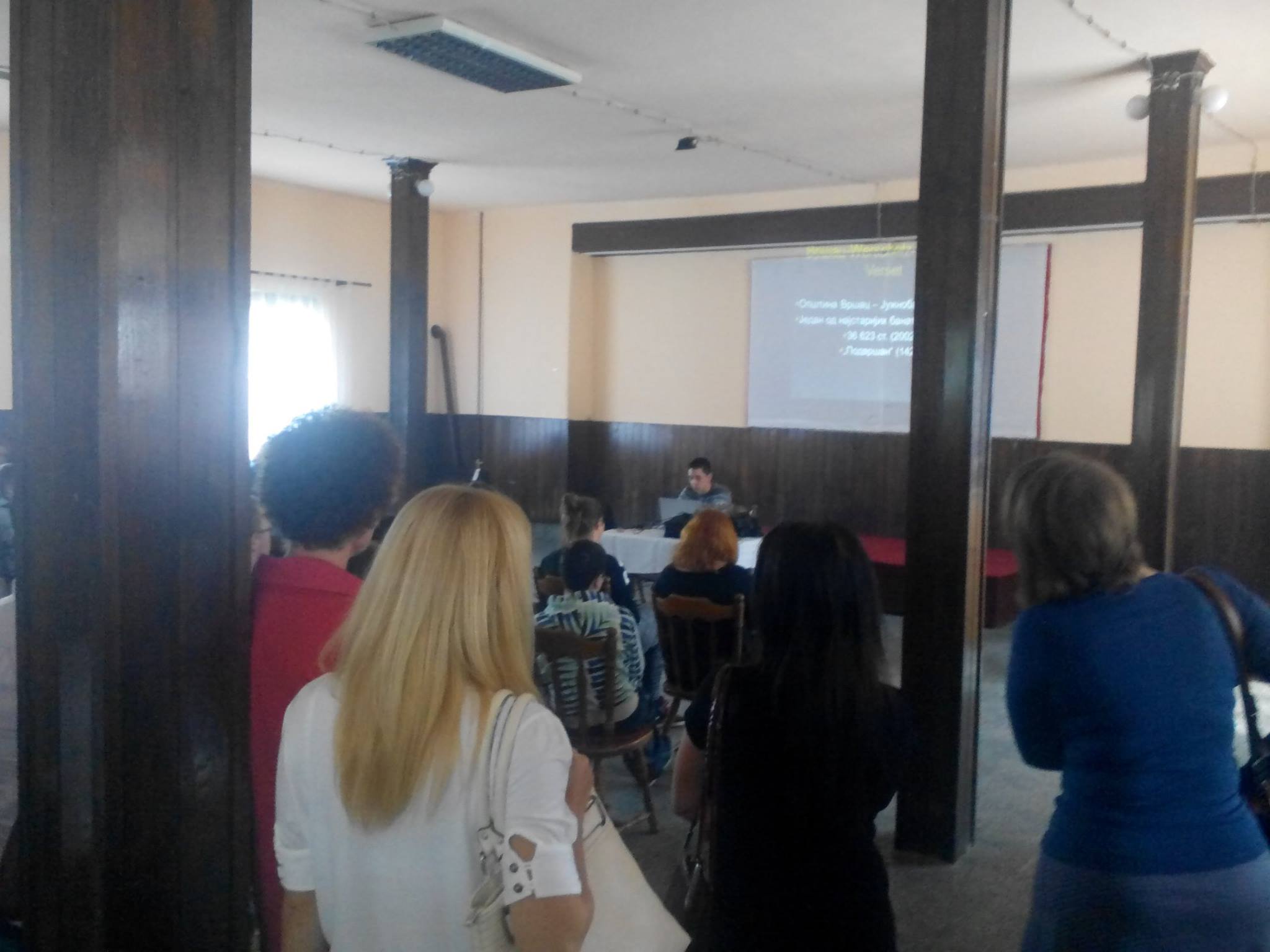
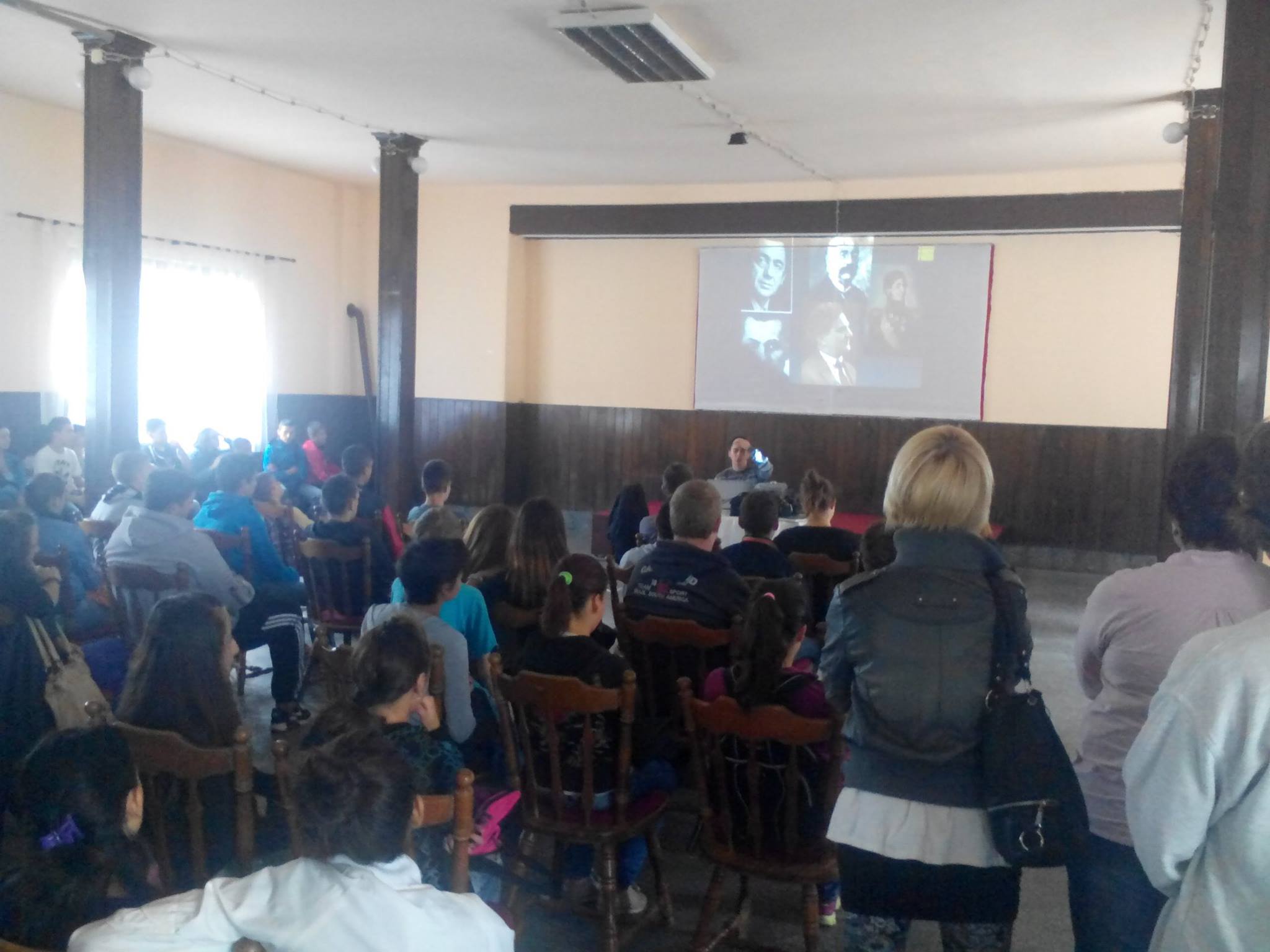
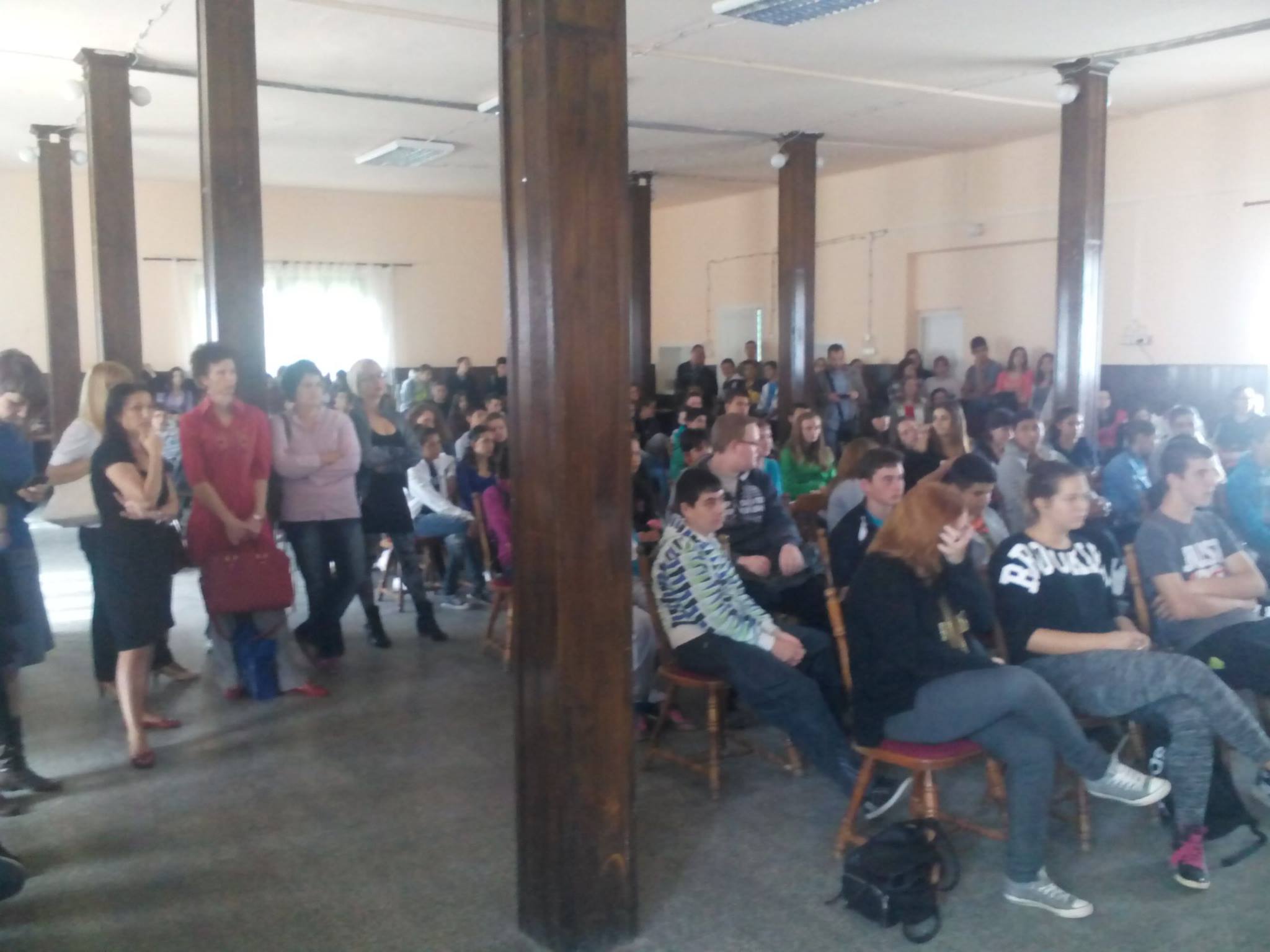
On Friday, 25th September 2015, a lecture was held in the great hall of the Vršac School of Agriculture on the history of Vršac and the cultural highlights of the city. The lecture was organised by the City Museum and it was conceived and held by Mr Nemanja Cvitkovac, a history curator.
In the hall filled with the audience, Mr Cvitkovac talked about the most important buildings and persons who have left their mark in the culture and history of Vršac, as well as Banat. Certainly, he devoted most of the attention to the symbol of the city – the Vršac Castle, specifically to the history of the fortress – from the Roman times, through the Middle Ages to the modern times, as well as to some related historical episodes.
The audience were especially interested in details which have not been mentioned in history books or any other available literature. Among other, the audience could hear more details about the medieval Mesić Monastery, the builders of which have remained a mystery until the present day; about St Theodore Nestorović (Teodorović) and his role in the Serbian uprising in Banat in 1594, as well as about the uprising itself; about the Neo-Gothic church of Saint Gerard Sagredo, built on the spot of a former Turkish mosque; and about the Chapel of the Holy Cross, which is, along with the tower, the oldest preserved building in the city. In this short account of the history of Vršac, there was also talk about the Parish Church of Saint Nicholas, which used to be the largest Orthodox temple north of the Sava and the Danube; also mentioned was the settling of Germans and other nations in this area in 13th century and the important role they had in the development of various crafts in the city.
This exceptionally interesting and educative lecture was attended by about 100 students and teachers of the Vršac School of Agriculture.
http://www.banatheritage.com/english/lectures/19-lecture-on-history-and-cultural-highlights-of-vr%C5%A1ac#sigProGalleriaddab06fb47